
After the unexpected loss of his mother, a young house-head searches for his own sense of paradise and purpose on the last night of Detroit’s iconic LGBT+ sanctuary—Club Heaven.
SYNOPSIS
Club Heaven was more than a venue — it was a lifeline.For Black queer Detroiters, it offered protection, joy, and a place to exist fully, without apology. Many remember the nights shaped by legendary DJ Ken Collier, whose sound helped define the city’s early house movement and influenced the evolution of Detroit’s global electronic legacy.Heaven nurtured dancers, DJs, artists, and kids searching for belonging. It built a community that stretched far beyond the dance floor — one that taught people how to move together, care for one another, and keep the culture alive.This film is a small way of saying:
these people mattered, this space mattered — and its story deserves to be preserved.Our work is supported in partnership with the Detroit Sound Conservancy, helping ensure the memory and sound of Club Heaven remain protected and shared with future generations.
PHOTO GALLERY


HONORING CLUB HEAVEN
After the unexpected loss of his mother, Marcus drifts through Detroit feeling disconnected from everything he once knew. On the final night of Club Heaven, his best friend Zane convinces him to come out — just to be in the room, to feel something again.
Inside, Marcus is surrounded by warmth, laughter, and the deep, steady sound guided by DJ Que. With the sharp wisdom of Alexis and the energy of the crowd around him, he begins to notice how people hold one another here — how memory and music live together on the floor.
As the night unfolds, Marcus realizes Heaven isn’t simply a nightclub.
It’s a community, a history, and a reminder that healing doesn’t always happen alone. Sometimes, it happens in sound.
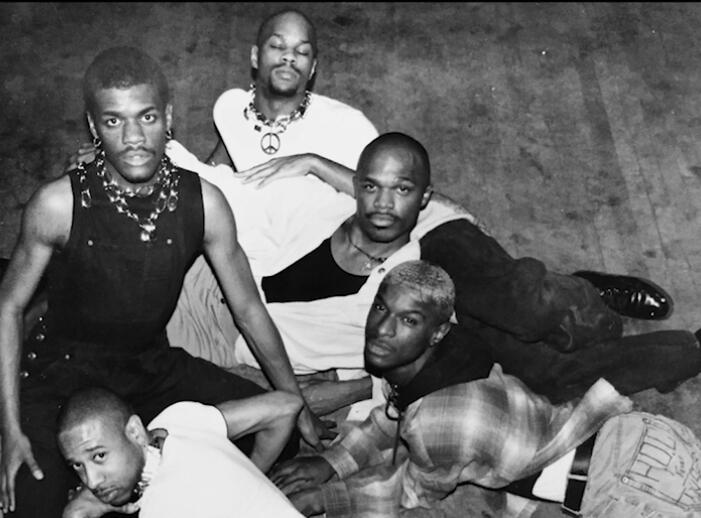
Club Heaven was more than a venue — it was a lifeline.For Black queer Detroiters, it offered protection, joy, and a place to exist fully, without apology. Many remember the nights shaped by legendary DJ Ken Collier, whose sound helped define the city’s early house movement and influenced the evolution of Detroit’s global electronic legacy.Heaven nurtured dancers, DJs, artists, and kids searching for belonging. It built a community that stretched far beyond the dance floor — one that taught people how to move together, care for one another, and keep the culture alive.This film is a small way of saying:
these people mattered, this space mattered — and its story deserves to be preserved.Our work is supported in partnership with the Detroit Sound Conservancy, helping ensure the memory and sound of Club Heaven remain protected and shared with future generations.
DIRECTOR'S STATEMENT - CHRIS INPAQ SUTTON

This film has taken shape slowly, through listening — to elders, to DJs, to friends who came of age on the dance floor. Along the way, I realized the story wasn’t only about grief; it was also about protection, memory, and the people who quietly made sanctuary possible.In 2024, I was honored to be one of four filmmakers selected for the Detroit Narrative Agency Film Fellowship. That opportunity changed the way I approached this project. It gave me time, mentorship, and room to ask better questions. I was able to sit with community members who lived through Club Heaven’s era, to hear stories of resilience and joy, and to better understand why these spaces mattered so deeply.Working alongside the Detroit Sound Conservancy also grounded the film. Their commitment to preserving Detroit’s musical history reminded me that sound is archive — and that Club Heaven’s legacy lives not just in memory, but in the music itself.This film is personal, but it isn’t just mine. It belongs to the conversations, laughter, tears, and generosity of the people who shared what Heaven meant to them. My hope is that the film carries that care forward — quietly, honestly, and with love.— Chris Sutton